Climbing

Iredpoint by Frogg GMBH

Frederik Riedel - 4th Jan, 2019

Hey Richard! Thanks a lot for using my app, and thanks for the great feedback, I definitely appreciate that. The upcoming update of iRedpoint has a big improvement for the top rope tracking algorithm, I hope you’ll like it. Also the ability to switch the climbing activity type during a session makes a lot of sense to me; I put it on my todo list! — frederik
Iredpoint by Frogg GMBH

The Apple watch and other devices have integrated barometers that allow them to track changes in altitude. Iredpoint by Frogg GMBH is one app that takes advantage of this. It allows you to tell the app what type of climbing you are doing as well as the difficulty.

Types of Climbing

This app allows you to choose the type of climbing that you are doing. You can choose between bouldering, top rope climbing, sport climbing, trad climbing, multirope climbing, free solo, aid climbing and last, and most awesome of all, Via Ferrata. I’m pleasantly surprised by that last one. In summer this is one of my favourite pass times.

A two Jersey cycling event and then too tired to climb.

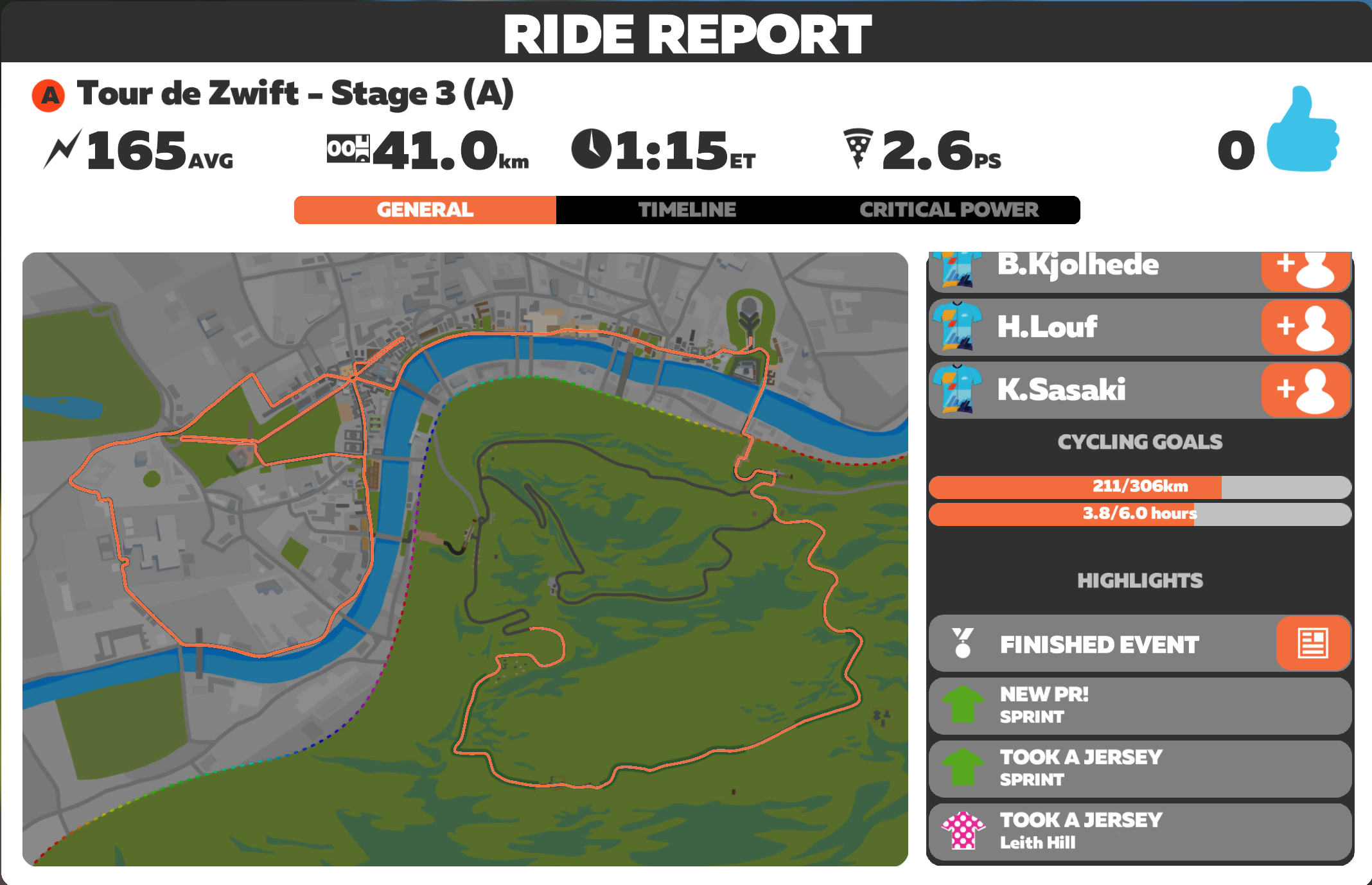
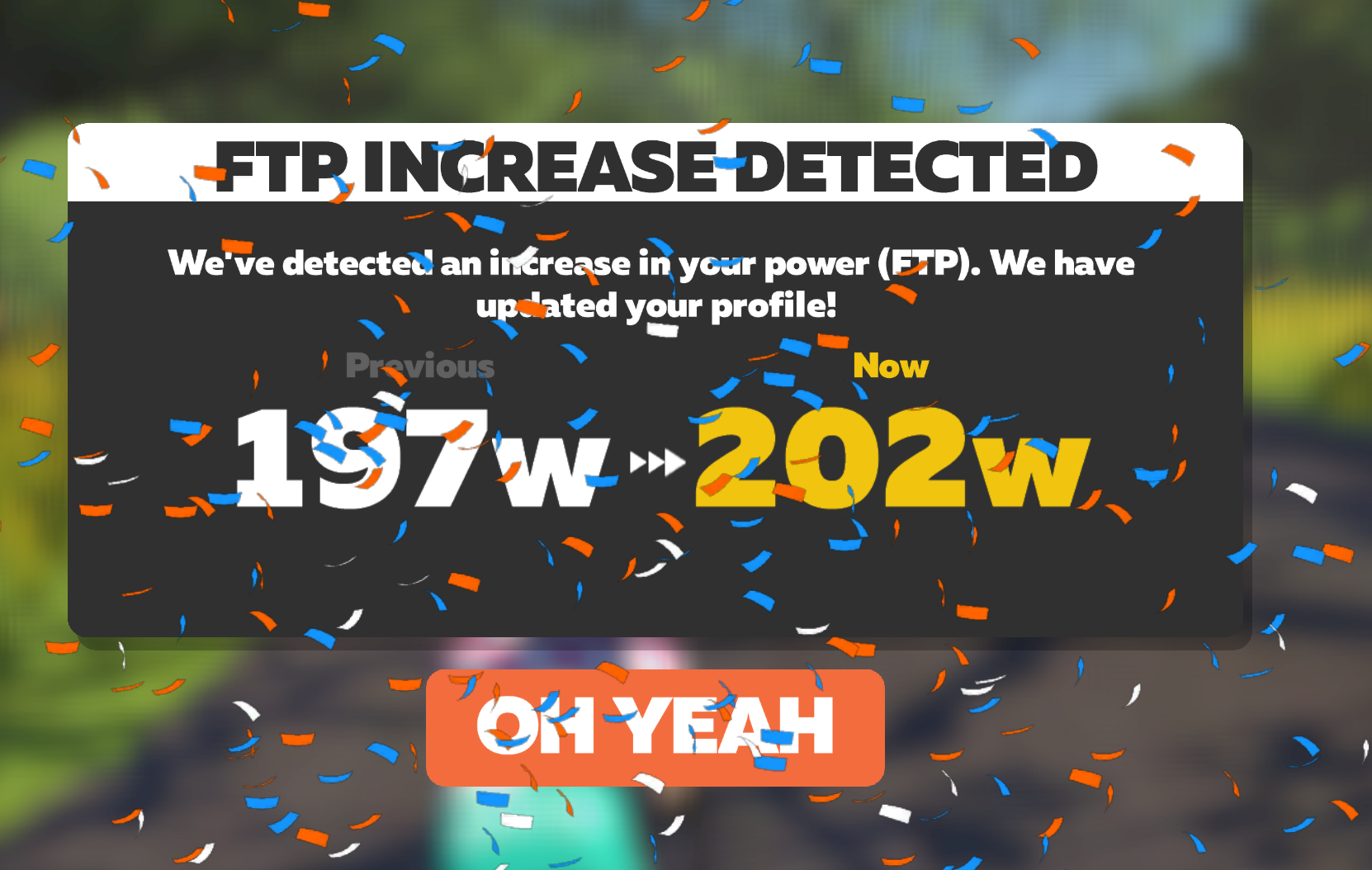
Yesterday I had a morning ride because I wanted to participate in the Tour de Zwift event. Yesterday the track was London and I was riding slowly for the first half, conserving energy. Eventually, when I got warmed up I started to ride harder and harder until I was overtaking quite a few other cyclists. I took advantage to play on the sprint and got the Green jersey. I took some time to recover and then I pushed myself. I was overtaking group after group. I gained at least 50 places in the standing. When I got to Keith Hill I was pedalling hard. I was overtaking people constantly and I was pushing from one group to the next, catching up with them just to encourage myself to make that much more effort. Eventually, I got to the top of the hill and I saw that I had both the green jersey and the polka dotted one. “Meilleur Grimpeur” as you hear on French television during the Tour De France. It feels good to push that much, to exceed your previous rides and for it to be quantifiable. This ride resulted in quite a few personal records on Zwift. I also improved my FTP score.   Making such an effort on an ordinary day would be great. I’d have had a good workout and reached my daily exercise goal. In this case, it was a mistake. I went climbing without having a proper dinner in the evening and all the energy I had burned to cycle was now missing for climbing. This was my worst day of climbing in a while. I completed one or two routes rather than the usual five or six. Usually, before I go climbing in the evening I rest. When I get to the wall I’m impatient to climb and I do well.

The Klettersteig Rider 3.0

The Klettersteig Rider 3.0 is a dual system via ferrata kit. It has a carabiner like standard via ferrata kits have and a “rider” system. The “rider” system fixes to the via ferrata cable and progresses with you. As you get to a part where you need to switch you move the rider system up first and then you move the carabiner. 

https://www.youtube.com/watch?v=lmmXodEZQxo

What I like about this system is that if you slip or lose grip of the rungs for any reason you will only fall the length of the connector rather than the length from where you are to the most recent pig tail. This reduces the fall distance by a considerable amount. 

Documenting climbing feats

Documenting climbing feats is an interesting challenge because you deal with issues of accessibility, projects that can last for months or even years and in some cases you’re dealing with the prospect of the climber understanding the problem, and then achieving his goal. For two or three years I really explored ideas for a climbing documentary before losing steam. My interest in the topic was still there but I couldn’t think of whom to put in front of the camera. 

The Dawn Wall film

One of the reasons for which this film is so powerful is that it’s written in the way that Heinrich Harrer wrote about the Eiger. It’s documenting not just a single attempt but the entire process. In doing so we get to know the people well. It gives us some context about their early days and then it spends a big amount of time on the process that led to a succesful ascent of the Dawn Wall. 

Indoor Climbing and the Apple Watch

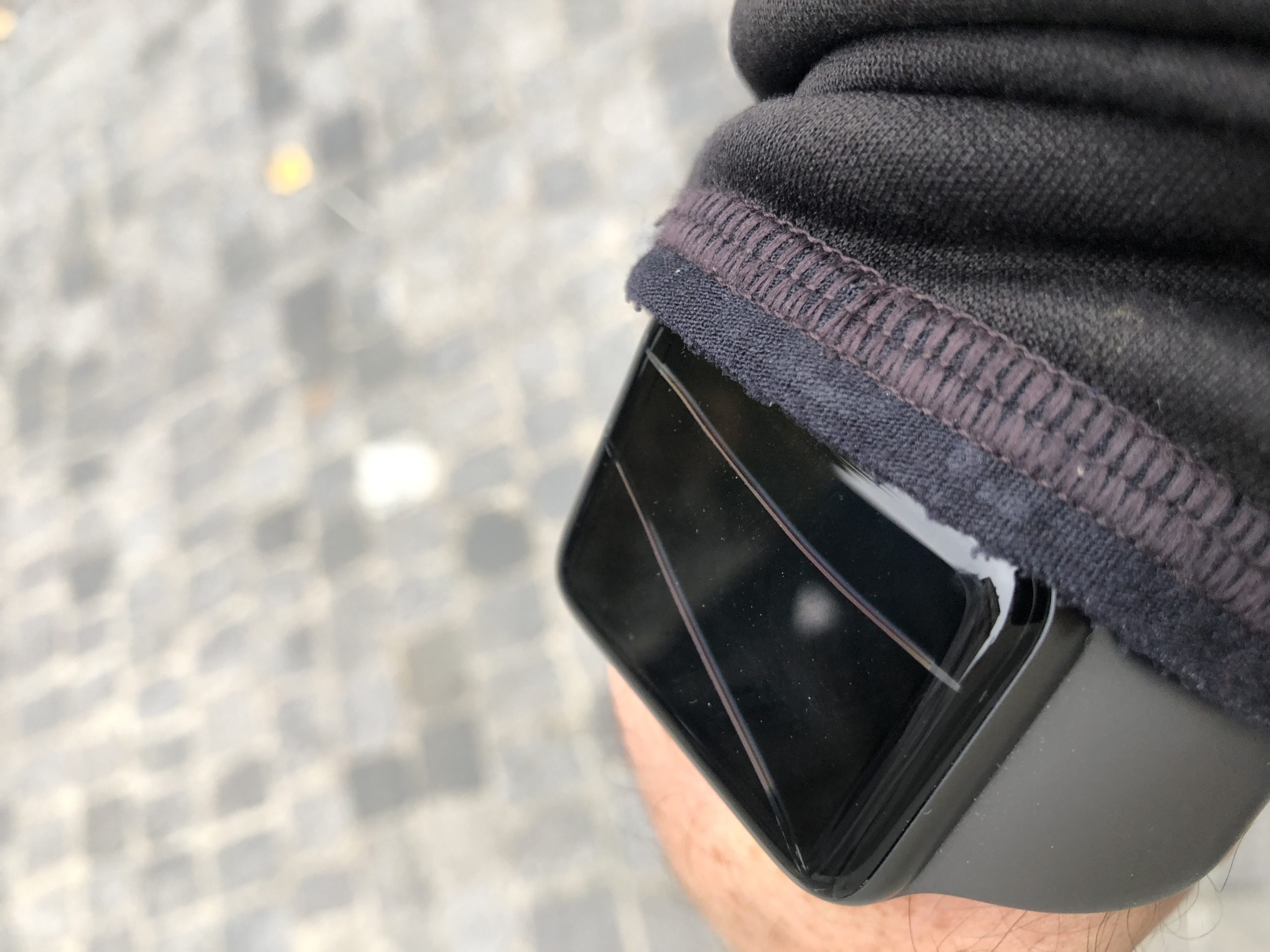
After just three climbing activities the Apple watch screen broke, rendering its smart features unusable. 

Indoor Climbing and the Apple Watch are a bad mix. They are a bad mix because the Apple watch has an unprotected glass screen. The screen is so exposed that last Thursday I shattered the screen without realising until I got home and tried to use it but the capacitive screen did not respond. 

A Return To Climbing

Last night after about a year without climbing I finally returned to the sport and I saw a familiar face but I couldn’t remember why. Eventually, I remembered that it was Cedric Lachat. I remember him from some climbing videos I watched. I also saw many of my climbing friends. 

On the first belay I made sure to remember all the skills. It had been a while but when you’ve belayed hundreds of people the skills have become muscle memory. What was less comfortable were the first two climbs. When you haven’t climbed in a while you have to get used to being high above the ground and trusting that you took care of fixing your equipment correctly. I did so I continued climbing. 

Improved Belaying - perfecting our technique

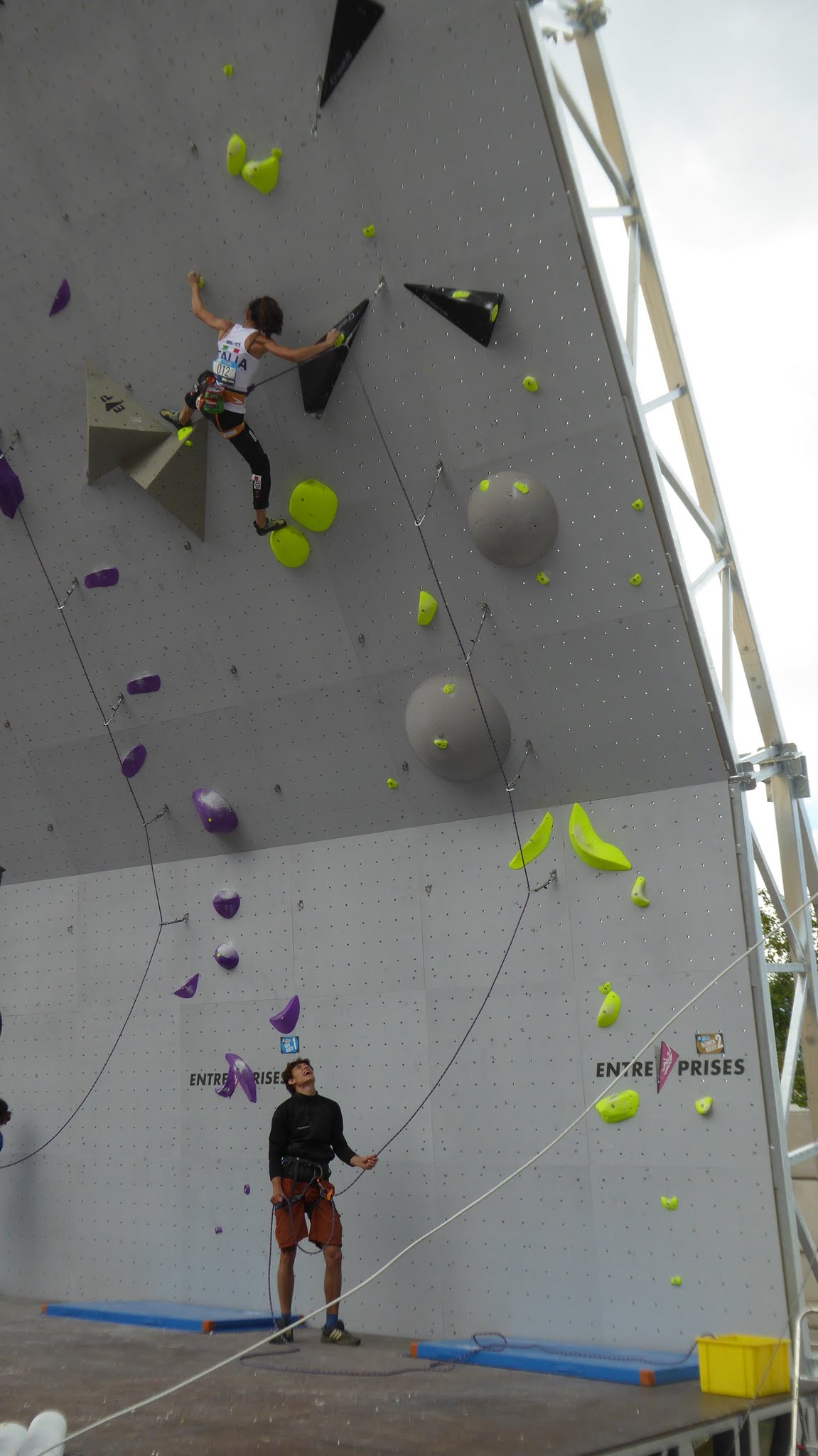
Belaying is a core climbing skill. With good belaying a climber can climb as fast as he is comfortable to climb, as if without a rope and yet have his fall cushioned at be safe at all times. The belayer needs to be active. He needs to observe and be attentive. I first learned to rock climb with a rope about ten years ago on the Italian side of the Alps and at the time I enjoyed climbing more than I enjoyed belaying. I then spent several years climbing via ferrata instead. The advantage with via ferrata is that it’s a simplified form of climbing. Over a year ago I started climbing indoors daily as I finally found a group with which to climb. My interests and skill in belaying improved. Yesterday I assisted a short belaying perfection course in anticipation of the Villars IFSC climbing event. During this session we were reminded of a few key points.

The Drapel Climbing wall near Aigle

The Drapel Climbing Wall near Aigle is a nice place to climb. When I was there yesterday we were in the shade of the trees unless we were climbing. The temperature for this week is at around 25-27°c daily which is nice. These are almost summer temperatures, at last. The parking for this climbing wall is

Getting there

The parking for this climbing wall is here. I’m giving a specific location because when I looked at maps I was not filled with confidence. To get to the parking you go to Yvorne and from there towards Vers Monthey. You drive through a narrow gap between two houses and then along a viticultural road towards the forest. You go up a dirt road for a few metres. The parking is a clearing in the woods. From there you walk for between 10-15 minutes. You know you’re at the climbing wall because there is a bench overlooking the castle. Come back a few metres and you’ll see the climbing wall where there are routes.