Social Media Living Room

Bullying Disguised as Satire

We’re in the middle of a pandemic. Some of us go without conversing with people in the real world for days or even weeks at a time. Is now the time to be offensive about people’s social media habits? For plenty of TikTok users, their only window into the social world is their phone.

https://www.youtube.com/watch?v=apvLvTQWQwg&fbclid=IwAR0DJKCl6QsV3EnurNj9j4yEvBNu_pQcpsK025DTRdktUk41gVdquig0jts

Plenty of people are lonely, and in need of human connections. Social media is a great means by which to have moments of intimacy, to flirt or even just to have a convivial moment with someone else.
Close to Success - Exporting Instagram images to WordPress Natively

When Instagram was a self-run startup I loved the product. I loved that it was a way of sharing images with friends. I loved that it was fast and that it was light. I also liked that it had it’s own community. I liked that it was a way of sharing real life with people we conversed with online.

When Facebook bought Instagram that slowly changed. Algorithms and popularity contests became more important than sharing between friends and so the sense of community was lost and we were posting for strangers rather than friends.

Twitter Threads and Blogging

Twitter threads and blogging are both free but whereas with one you need to click to read the continuation and it’s hard to print the other is self contained and easily shareable.

I see twitter threads, that as twitter threads are a waste of time on a conversational channel but would be ideal for a blog post. Imagine that you combine two or three tweets. That length would justify a blog post.

Forcing people to be active daily with Stories

Facebook and Instagram both have “Stories”. Stories are temporary vertical pictures and video that are only available for a limited amount of time before they are backed up and saved for retrieval once you request your data.

In theory, they are a fantastic way of sharing life as it happens without worrying about something embarrassing being available for an extended period of time. In practise, they are a way for Facebook and Instagram to force users to be active every day if they do not want to miss out on what their friends are sharing.

Google Plus is Shutting Down in August

By shutting Google plus in August 2019 Google have shut down one of my favourite social networks. From the start I have said that it reminded me of Jaiku, an excellent, european alternative to Jaiku that never reached critical mass and so was sold to Google, which then shut it down and eventually released Google+

Google+ is an excellent social network because it allows photographers and conversationalists to converse without the hype, without the cult of personality and without sensationalism. In other words it allows people to have conversations that increase their understanding and awareness of current affairs. 

Mental Health and Social media

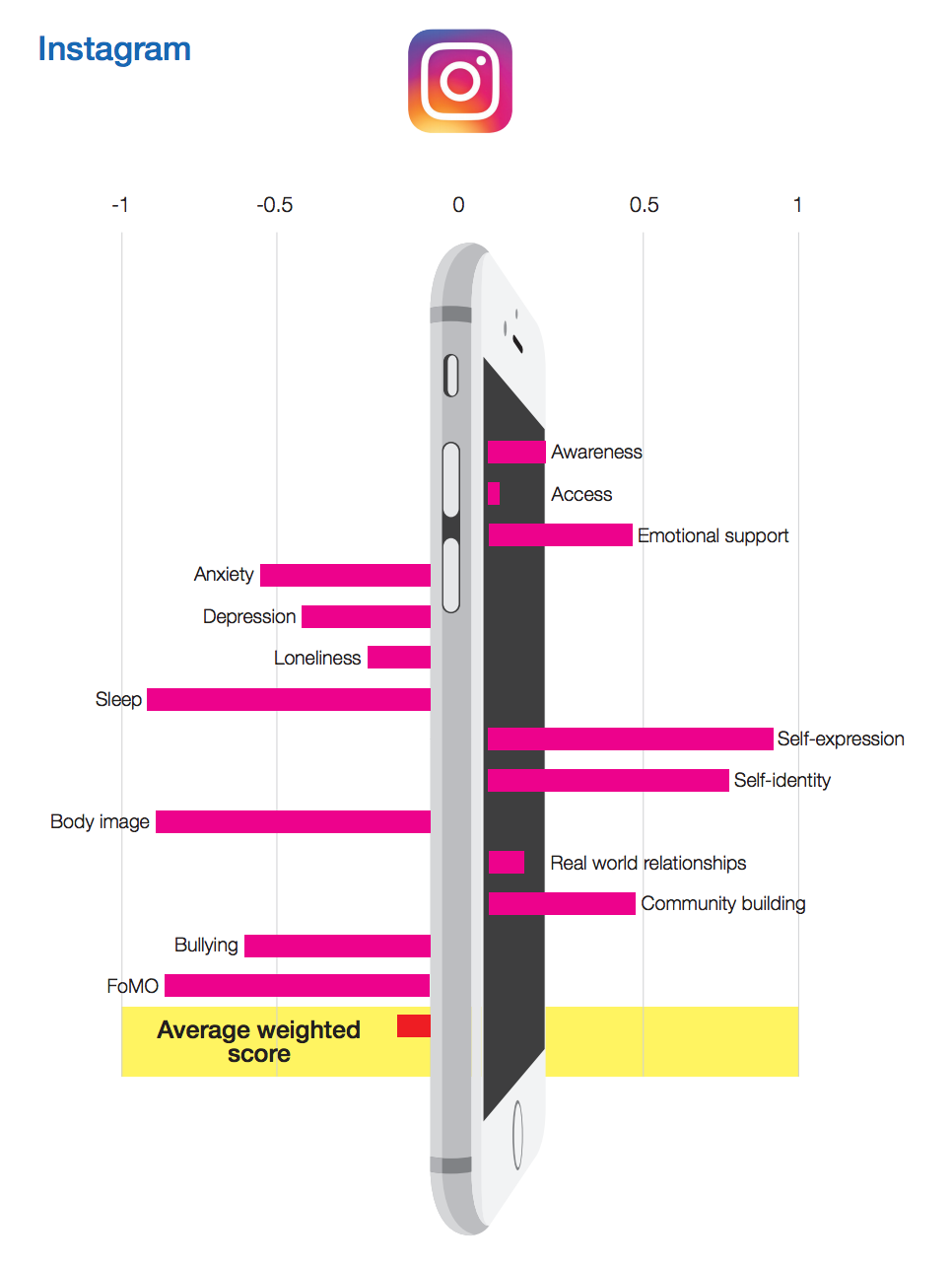
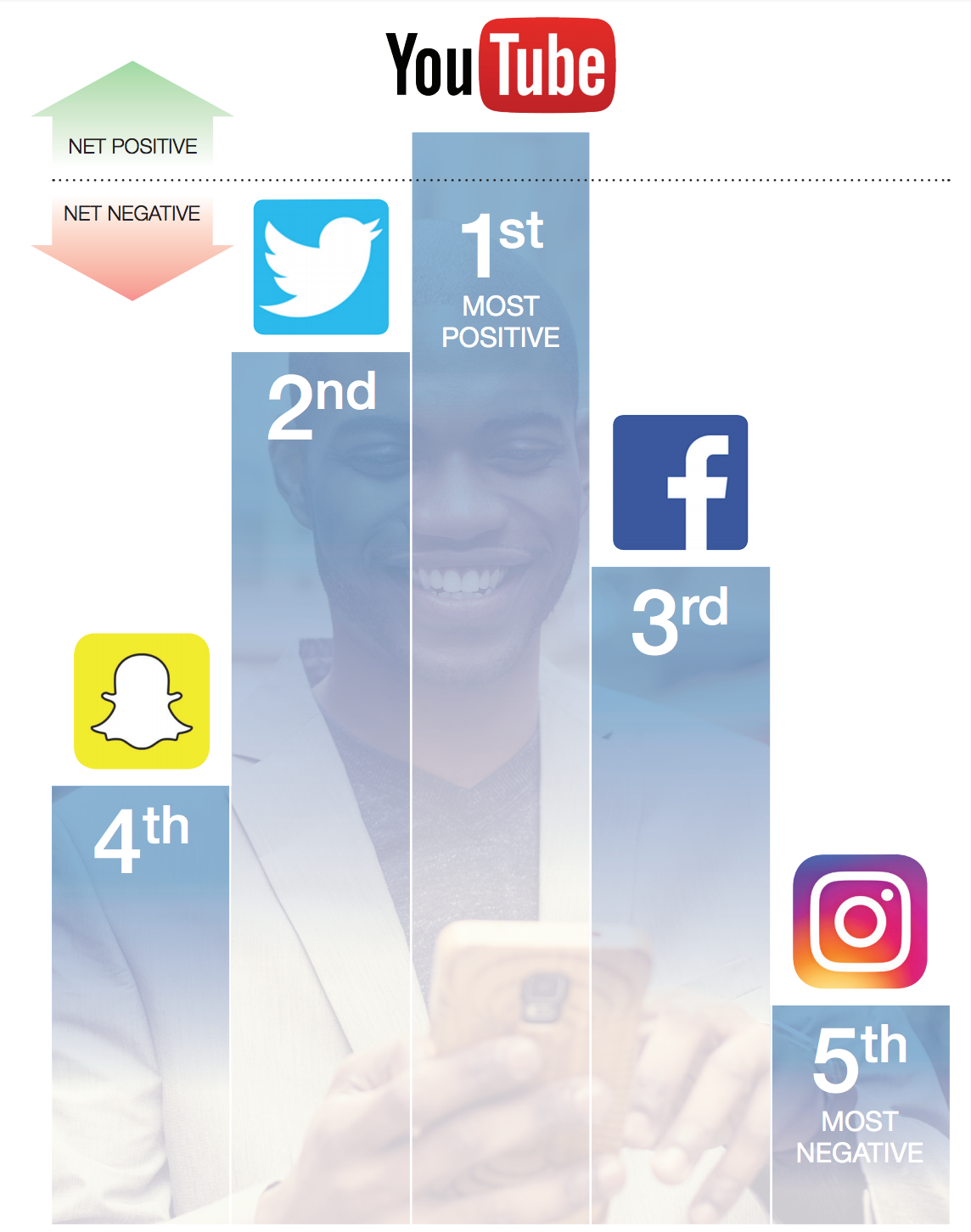
There is a lot of discussion about Mental Health and social media because most people are not social media natives. They are either Luddites who do not appreciate playing with technology. They see themselves as users rather than participants and then there are extroverts and other people who see Social Media as a threat to their way of life. We live in societies built for extroverts rather than textroverts. As a textroverts social media is a place for me to have full conversations without having to compete with extroverts who often hijack conversations through charisma and the superficiality of what they have to say. The Royal Society for public health wrote a paper on the topic [caption id=“attachment_3508” align=“aligncenter” width=“770”]instagram graphic Instagram is bad ;-)[/caption] It’s amusing that Instagram is theoretically the worst social app because if people use it like me then they would share their hikes, their climbs and their adventures. These would lead to FoMO and a feeling of solitude if people were motivated to do the same activities as me but unable to. Anxiety, body image, depression and bullying are all consequences of how marketers have encouraged people to use instagram. When brands and social media “personalities” post certain images and when brands promote certain behaviours then they encourage people to idealise the wrong things. They encourage superficiality rather than genuine interactions. It should be highlighted that a lot of people use Instagram for selfies and this leads people to compare themselves to others. If they photograph food, sports, mountains, seasides and more the negative aspects highlighted above would vanish. [caption id=“attachment_3509” align=“aligncenter” width=“807”]Ranking social media Ranking social media[/caption] It’s amusing that Youtube is the highest and most positively ranked social medium because it is the one that my generation see as having the most negative comments. We often joke that youtube is fine until you read the comments. It’s good that people like Twitter and Facebook because twitter is great for getting to know people and Facebook is a useful way of staying in touch with friends when we travel and move around for work and university. The Royal Society for Public Health came out with a few recommendations:

Travel and data roaming

In July Roaming will be a bad memory for Europeans travelling within Europe. As a result of this the sale of sim cards to Ingress players, pokemon Go players and others will also be a thing of the past. What will not change is that we use social media apps to communicate with other people. As a consequence of this use we see local adverts. At the moment I am in Spain and see Google España rather than Google Switzerland. I see Spanish adverts. Local and national products are advertised to me as I browse. As Google, Facebook, Twitter and other companies know of my interests when I am in Switzerland they can extrapolate them to local businesses in Spain. Diving, climbing and other companies would benefit from me seeing their offers. if I have just a gigabyte of data then I need to throttle many of these apps. I don’t want self loading videos and other content. I want a minimum of content to make that gigabyte of data to last until I get on the plane. Advertisers suffer because as I reduce my normal browsing habits it reduces their chance of being seen. In my opinion telecom operators and advertisers should collaborate together to make it cheaper for travellers to use their smartphones. Advertisers should buy data from telecom operators so that travellers are more inclined to use their phones. Businesses will benefit from us posting to and browsing from Instagram, Swarm, Google Local Guides, Trip advisor and many other services. Everyone benefits from cheaper roaming. At the moment businesses with free wifi are helping people see more adverts. With cheaper roaming globally a receptive audience will see more adverts hence providing them with more ideas and inspiration for activities during their stay in an unfamiliar place. Advertisers and businesses should capitalise on this potential audience.

The Paradox of "kicking smartphone addictions".

It’s amusing that people think of “kicking smartphone addictions”. We now have a decade of experience in the current social media landscape. We have a decade of using smartphones rather than feature phones. In effect we have had a decade to adapt our lives to the age of the ubiquitous smartphone. We can ignore the Blackberry and Nokia ages where phones were for phone calls, playing snake and business rather than pleasure. [caption id=“attachment_3418” align=“aligncenter” width=“300”]Those that see social media as a disease usually have partners. Those that see social media as a disease usually have partners.[/caption] People who see smartphones or social media as addictive usually have one thing in common. They have a “partner”. They spend their free time with a specific individual. “It’s about finding balance. I became conscious of what matters to me, in my life. My smartphone is still a part of it, but it’s no longer the boss.” I have never been addicted to the device as such. My passions lie with what I can do with the device. I was passionate about Twitter when it was a social network. I was passionate about facebook when it was a way of keeping up with friends. If Twitter and facebook become ego-networks for marketers and public relations professionals then the “addictive” aspect of smartphones vanishes. As social media goes from a conversation to a broadcast and a monologue it delivers another opportunity. It gives us the chance to go back to reading books. As we no longer “socialise” with smartphones the “addiction” is gone. We loose nothing by spending time “offline”. You don’t need to give up the smartphone or any apps. If you’re like me you can pick up an e-book reader and replace Facebook and twitter with reading. If you’re going to passively read an e-book reader is an interesting alternative.

Black Mirror - A television series

Black Mirror - a television series Black Mirror is a television series that was broadcast by Channel 4 a few years ago and made available to Netflix audiences recently. The series explores a variety of topics and issues to do with technology from death to crime and existentialism. It also explores themes like family and friendship. We spend a lot of time thinking about technology and how it has changed our lives. Sometimes it’s fun to watch 80s series to see the world as it was before computers and the internet and sometimes it is fun to watch dystopian essays or short stories exploring facets of modern life. In modern society we see that social media is affecting the discourse that is taking place between politicians and normal people. We see how social media and the lowering of the barriers of entry to the fourth estate have created a golden age for propaganda and disinformation. We see in The Waldo Moment that a CGI bear can mock the political system. It could be directly related to what we have seen happen recently. Be Right Back deals with online identity and how a person can be emulated once they have died. The question is an interesting one. The more active we are on social media the more our character and personality can be understood and reflected back. This is limited. We are not entirely ourselves online. There are some things that we hide from the online world. In Fifteen Million Merits we see a dystopian vision of the world where everyone lives in a small dark room. They get out of this room to go and peddle for a few hours to get Merits. Once they have 15 million merits they can “apply” for a different kind of job via a talent show. Nosedive explores popularity and social networks. Everyone is constantly being rated based on what they share, how they interact with others and more. In such a dystopia people can progress or lose privileges based on reputation. In such a reality people are vulnerable. A vertovian theme is explored in “The Entire history of You”. An implant called the Grain records your entire life and you have the ability to fast forward and rewind moments of your life. In so doing you can analyse what went well, what went badly and more. You can also see more than you were intended to see through other peoples’ recorded experiences. In this episode we see the Kino-Eye, the all seeing eye. Your life is no longer private. I like some of the themes that are explored in this series and I recommend people to watch at least some of the episodes. I feel that they are relevant to our discussion about social media and online lives.

Thoughts on Youtube Backstage

Youtube backstage is a consequence of Youtube comments not playing nicely within Google+. Google+ is a pleasant social network where people who want to have conversations and share pictures can meet and broaden their horizons. It is a place where you can write comments that are as long or as short as you want. Misunderstandings, as a result are less common. The idea of youtube backstage is to expand youtube channels so that content creators can share images, polls and more. In so doing Youtube would provide people with a one stop shop. The need for twitter, instagram and facebook would be reduced. Some youtube content creators have from two hundred thousand to ten million followers. With such a big audience youtube pages would become self contained communities. If you’re watching No Man Sky videos rather than commenting on episode videos you will comment on the game. Would this encourage people to move away from Reddit? One of the most interesting benefits of youtube implementing text, images and polls is that it would create an environment in which for advertisers to be seen without distracting people from the content. When you watch youtube videos you see pre-roll videos and banners. When videos are longer an advert is shown after a certain number of minutes. With text, images and polls adverts could be shown for longer. As channels are themed adverts will be relevant to the channel rather than a person’s browsing history. I spent a few weeks watching content created by youtubers. In that time I have watched “series” and “episodes”. If youtube finds a way to monetise the niches that content creators have built up over time then Google and Youtube will benefit. People will go from passive viewing and occasional commenting to active conversations. Conversations make social networks sticky. A sticky social network provides value for advertisers. Advertisers provide funding to content creators and this provides content creators with a higher income, providing them with the incentive to do more of the same.