YouTube

A Climbing Two year Old

A Climbing two year old is ordinary. They try to climb on to chairs, they climb to stand up. They climb up the stairs and the swings. What is less ordinary is for a two year old to rock climb like a grown up. As I watch the video below what inspires me the most is to see such a young human climb like a grown up. She learned by watching others and by being given the opportunity to practice at home and in climbing gyms. This video makes me happy because it is nice to see such a young person learn to climb. If I had been given the support and opportunity, and if the sport had been more evolved, then I too would have started climbing at a young age. I used to climb trees, climb on to garage roofs and occasionally climb rocks from which I could eventually get down. I had to wait until I was more than 20 years old before I could climb my first “dalle”. This child was given access to that world from a very young age. Her first memory will surely be of climbing. To make this story news worthy they had to add conflict of course. They had to speak about how some people who watch this think that it is dangerous to allow a child to climb. As the mother said “When she climbs in the gym we are watching her and she has 19 inch thick matts to fall on. The playground and the street are more dangerous”. They go on to say that she face planted on a street. Every single child does that. That’s the beauty of being a child. You’re bound to fall, cry, be picked up by your parents, and then a few minutes later start playing again. Climbing when you’re with the right people is no different. When and if I have children I will teach them about snowboarding and rock climbing and snorkelling. I want to pass on my passions. I want them to be the next generation of sports enthusiasts.
Prison Architect Game Play videos fill a niche.

I sometimes envy people who produce gameplay videos because the barrier to entry is so low. In theory all you need is a microphone, a gaming PC or console, a capture card and the ability to talk without being asked questions. In essence you are providing an interior monologue whilst staring at a screen and playing a game. Prison Architect Game Play are an example of this trend. The purpose of this game is to plan and then build a prison. You make sure that you stick within the budget, that the prison is clean and that you make enough money to survive and possibly even thrive. As you build one prison you can then sell it and keep the money to build a new prison. Some game play videos are interesting because you discover a story at the same time as the person whom you are watching play the game. In other cases you watch people build parks or prisons and you get to live their experiences through the video. It brings us back to our youth when we watched our siblings play computer games. In this case though, the game player can have from two hundred thousand to four million people watch their videos. On youtube these videos are monetised but I have not researched how much they make but view. I also noticed that if you watch these videos via Chromecast you do not see any of the adverts so I question how they monetise these videos when they are viewed on a television.

Colin Furze and the 360 Swing

When you have lengths of pipe, a welder, a water container and a big enough garden you can get up to some mischief. Colin Furze and the 360 Swing are an interesting demonstration of this. In the first two videos you see him build the structure and in the next two videos you see him do some 360 swings with the structure. He is a plumber by profession but makes some fun and entertaining videos for youtube in his free time. In these videos he has built a flame throwing guitar, magnetic shoes, built a bunker, created eccentric door bells and more. He also made a firework shooting bazooka and put a motor bike engine in a tuktuk. The video above is a behind the scenes look at part of the discussions and includes some drone footage of the swing being used to successfully complete a few 360 rotations on the swing with and without the motor. When you see him add the paramotor to the swing you see that he has taken the idea too far. By the end of the video he feels a little weaker as you’d expect. I don’t know how many Gs he put himself through. It was enough to make him feel unwell by the end of the clip. I enjoy watching the building process of these eccentric contraptions because we see that safety is taken in to consideration. In either the first or the second video he says that he usually does two things. The first one is built off camera to make sure that he knows what he is doing and when he is confident he builds a component for the second time on camera. In this project we see that there is a reasonable amount of testing to make sure that everything behaves properly before moving on to the next step. https://www.youtube.com/watch?v=N0wfkpBImKw There are a number of videos like this on youtube that teach you about engineering and building eccentric machines. Colin Furze is just one of many youtube video makers to build things and then use them.

FIFAD Day 2 - a day of introspection about exploration.

FIFAD Day 2

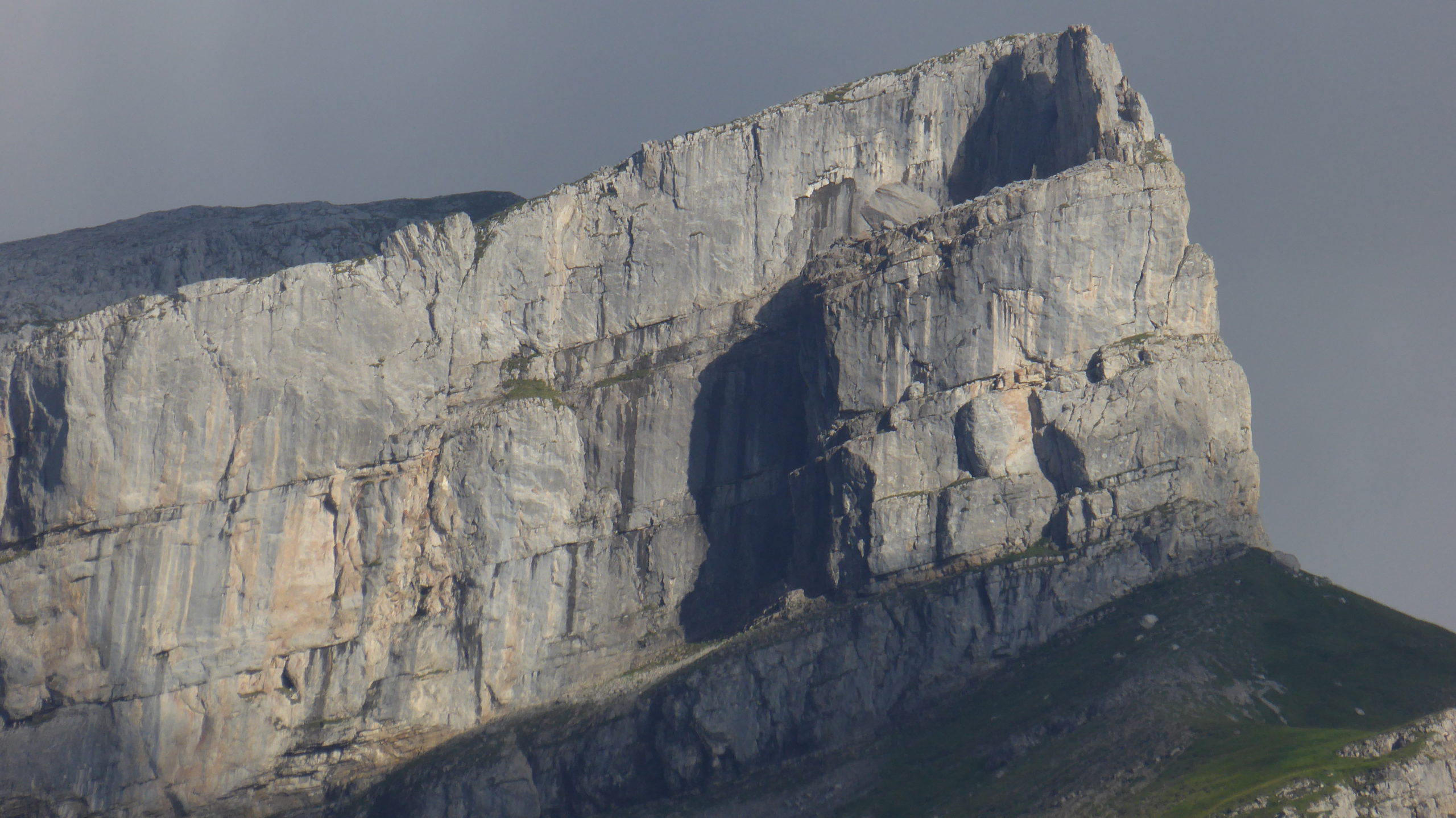
FIFAD’s second day’s documentaries were introspective. They looked at mining in Bolivia, Jean Troillet’s life of adventure and the film Sherpa. [caption id=“attachment_3257” align=“aligncenter” width=“660”]The peaks we see from the Festival The peaks we see from the Festival[/caption]

Tous Les Jours La Nuit

Tous Les Jours La Nuit is a documentary by Jean-Claude Wicky who passed away recently. The documentary looked at the lives of Bolivian miners who have to work for up to 20 hours a day in mines where the air temperature can reach up to 50°c, where the life expectancy is between 40-45 years and where they barely earn enough to live. In this documentary he looks at some of the pictures he took when down in the mines. He tells us stories about the people who are photographed and tells us about their culture. At the end of the film he comes back to the country once again and meets with some of the miners and their communities. He donates copies of the books to individual miners as well as their community. The aim is to document the hardships faced by these workers.

FIFAD Day 1

FIFAD Day 1

From the 6th to the 13th of August 2016 The International Alpine Film Festival, FIFAD, is taking place in the Alpine town of Les Diablerets. This is a week long festival of Alpine films covering the environment, extreme sports, adventure and more.

Alpland

Alpland is a photo exhibit outside of images of Alpine life in black and white. The images were taken by Romano Riedo

The Flying Frenchies arrive

The image gallery below shows the Flying Frenchies arrive at the film festival. The drummer flew with his drum kit, the guitarist flew with a guitar and amp and the saxophonist arrived with his instrument. They played their instruments while up in the air. Watching this in person is interesting. [gallery ids=“3253,3252,3251,3250,3249,3248,3247,3246,3245,3244”]

Getting Up Getu - some impressive shots

Getting up Getu is short documentary climbing video about Alex Honnold and Felipe Camargo climbing a beautiful roof climb. The most spectacular aspect of this video is the size of the arch that they are climbing. In two or three shots you see the size of the rock formations compared to the climbers. The people look tiny. The rock formations that droop down from the ceiling look interesting. The climbing at this location ranges from 5a to 9c according to one source I skimmed through. There are 250 routes to choose from so this is ideal for a great number of climbers. This was the 2011 location for the Pezl Roctrip. Getu looks like a beautiful area in china with interesting rock formations, arches and much more. The video below provides you with a glimpse of what else there is to see in this region. It is in the Guizhou province of china and the nearby city is Anshun. Getu, China from Ryan Deboodt on Vimeo.

Bouldering as an art form

I see Bouldering as an art form. By watching people climb you see that they have learned to use their bodies as well as the environment to get any mechanical advantage they can find. In some cases it requires the use of a leg wedged in to a space. In other situations it involves hanging upside down and in yet another context it requires leaping and hoping to grab the next hand hold. The video above demonstrates the beauty of bouldering. It would be easy just to show the three seconds when the person completes the move but to keep the exploration available, to show the trial and error provides us with a deep understanding of just what is required to complete certain moves. You can watch to see where they place their feet to prepare, how they prepare their legs to provide that boost of energy, how they switch from one hand to the other and how they use limbs to get the required mechanical advantage. You see people arrive at one hold hanging upside down, let go with their feet, swing their body around and then stabilise that position. Imagine the strength and agility required for those moves. Three minutes in to this video you see a French athlete lean his body against the wall and swing his left arm around and up to grab hold of the next hand hold. They demonstrate great skill and mastery. When I watch these videos my desire to become as good as them increases and it encourages me to experiment more, to take advantage of the lessons that I am being taught by watching these videos. As a climbing friend says “we are all here teaching each other to climb”. This exchange occurs because we have different levels of skill, adrenaline and body size and shape. Climbing is a collaborative effort.

"Superhuman" Climbers

A few days ago the Rio Paralympics “We’re The Superhumans” video popped in to my newsfeed on Facebook and I eventually watched it. The moment that most impressed me is the olympic athlete climbing 2 minutes 20 in. He is dynamic in his climbing technique despite not having any hands. As a climber those two or three shots impressed me and it encouraged me to look for more such climbing videos. They are interesting. It is nice to see climbers take their passion to the next level. I often think that climbing is a mental game. Most of us have to overcome our fear of heights and we need to learn to read the climbing wall, hand holds and foot holds to climb up as elegantly as possible and without getting tired. Overcoming that fear of heights takes exposure. The more you climb the more you get to grips with the feeling of being high off the ground. You also learn to trust yourself and your equipment. That trust allows you to see opportunities and use them. David Bowes was injured in a road traffic accident while commuting one day. In the clip below he says that despite not always enjoying the moments when he is climbing he always feels better when he gets home and that this is why he climbs. In the third video we see that climbing is not limited to people who want to become world class athletes. We see that climbing is for people who simply want to work on their self confidence. They overcome their disabilities, feel pride and build their confidence. Every one of us gains by climbing. We see that some people climb with prosthetics and that others are climbing using just their arms. In other cases people are using artificial limbs to get up the wall. We see that some people with one arm lever their body in to a stable position that lasts just long enough to let go of one hand hold and grab on to the next one. It is enjoyable to see how much ingenuity goes in to climbing. As we see in the final video some groups want to provide people with the opportunity to climb at least once and to reach the top of the wall. Whether they become passionate about the sport or not is not what matters. What matters is that they get a sense of accomplishment, of setting and reaching that goal. These videos are empowering as we see that anyone with

Rock Climbing and live distribution

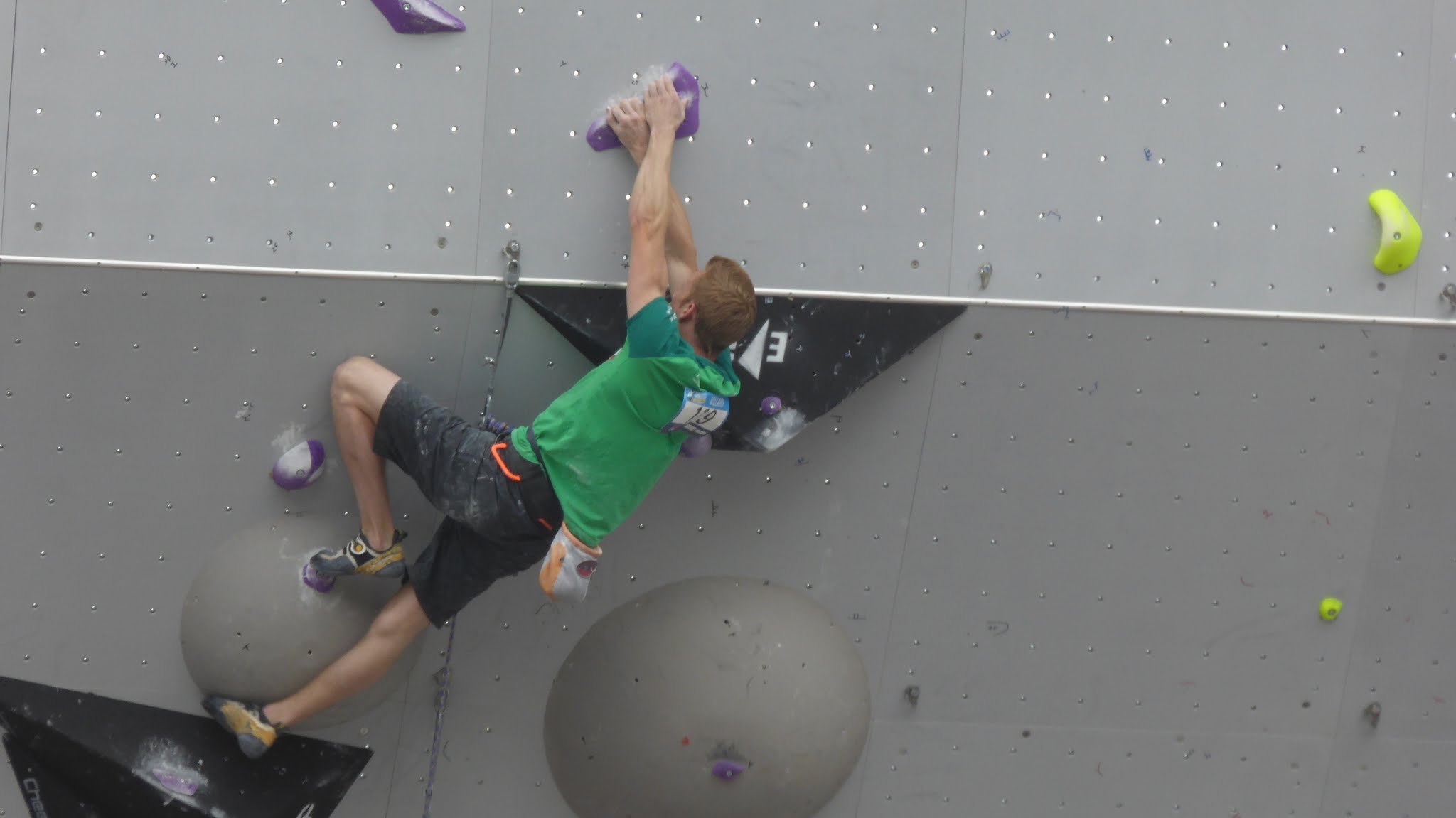
Live distribution of sports such as Rugby, Football, Tennis, Skiing and other sports is easy to justify because of the audience size. Rock climbing and live distribution of this sport however is harder to justify because it is a niche sport. Sponsors exist and interest in the sport is growing. We see that there are a number of climbing events, via ferrata groups are popular, the number of local climbing gyms is increasing but for a mass audience to watch these events is still unlikely. I noticed recently that recorded as live climbing events are available on youtube and that we can watch two to three hour broadcasts of these events. If you are learning to climb and if you want to perfect your climbing technique then these broadcasts are excellent because you can watch exactly what the climbers are doing. You can see where they put their feet, which hand they use for a certain hold, how they balance their body on the wall and how they clip in the rope. In effect these videos are climbing lessons for the youtube generation. You can imitate climbers with the same physique as you. You can really watch the climber try hand holds and foot holds. “Does it feel comfortable? No, then I try this, ah yes, this is comfortable.” Watching this process teaches the average climber to be methodical about finding foot and hand holds. In climbing you need to look up and down. You also need to look for small movement opportunities. Moving a foot up five to ten centimetres can make a hand hold easy to access. [caption id=“attachment_3159” align=“aligncenter” width=“660”]One of the IFSC Climbing World Cup climbers in Villars One of the IFSC Climbing World Cup climbers in Villars[/caption] People have been rock climbing for generations but it is making its way in to the mainstream. Recently Rock climbing was accepted as an Olympic discipline and we will see this sport at the 2020 olympic games. As this is a sport that requires strength, agility, stamina and intelligence it is a natural, although modern, olympic sport.

A Nonverbal Autism Video Interview

I saw Horyou share a link to Speechless with Carly Fleischmann. This is a Nonverbal Autism Video Interview carried out via typed words on a tablet.  The text is read out electronically. The interview is warm and convivial. It stands out because it does not use a fast talking or energetic host. The interviewer does not talk, in the conventional sense. They could easily have inter-titles rather than synthesised voice. It is because they show the challenge of this interview that it is interesting. It shows that charismatic fast talkers are not the only people with an opportunity to interview artists. It shows that given the right circumstances anyone can interview artists and that desire and interest are required but that solutions can be found for other challenges. It opens up the world to a diversity of people. Imagine video interviews in sign language for example. There is no reason for a specialist channel not to take on this challenge, to fill this niche. Three things make this possible: Video production costs have gone down so it is easy to find the budget to record such an interview, technology makes communication for nonverbal people much simpler and finally Youtube makes content distribution to an audience easy. This video has three and a half million views. I will find more videos like this. I believe that they play an important role in modern society where we believe that everyone should be treated equally, to have equal opportunities. It is too easy to idealise the charismatic radio presenter who has a way with words and forget that charisma can be found in people’s intellect. You see it through the laughter in the interview, you see it in the way the interviewee is so relaxed. It’s a shame that there is just one interview. Imagine it as a weekly show.