Observation

Out of my comfort zone - A day of trying new things.

I was out of my comfort zone for a day last week and enjoyed it. This involved trying improv theatre for the first time. Vinyasa Tango Yoga and Bollywood dancing. I tried all of these things within the framework of the Refugee Cultural Festival that took place between last week and this week. I was assigned to the room where these activities took place and took the opportunity to try everything.

Improv Theatre
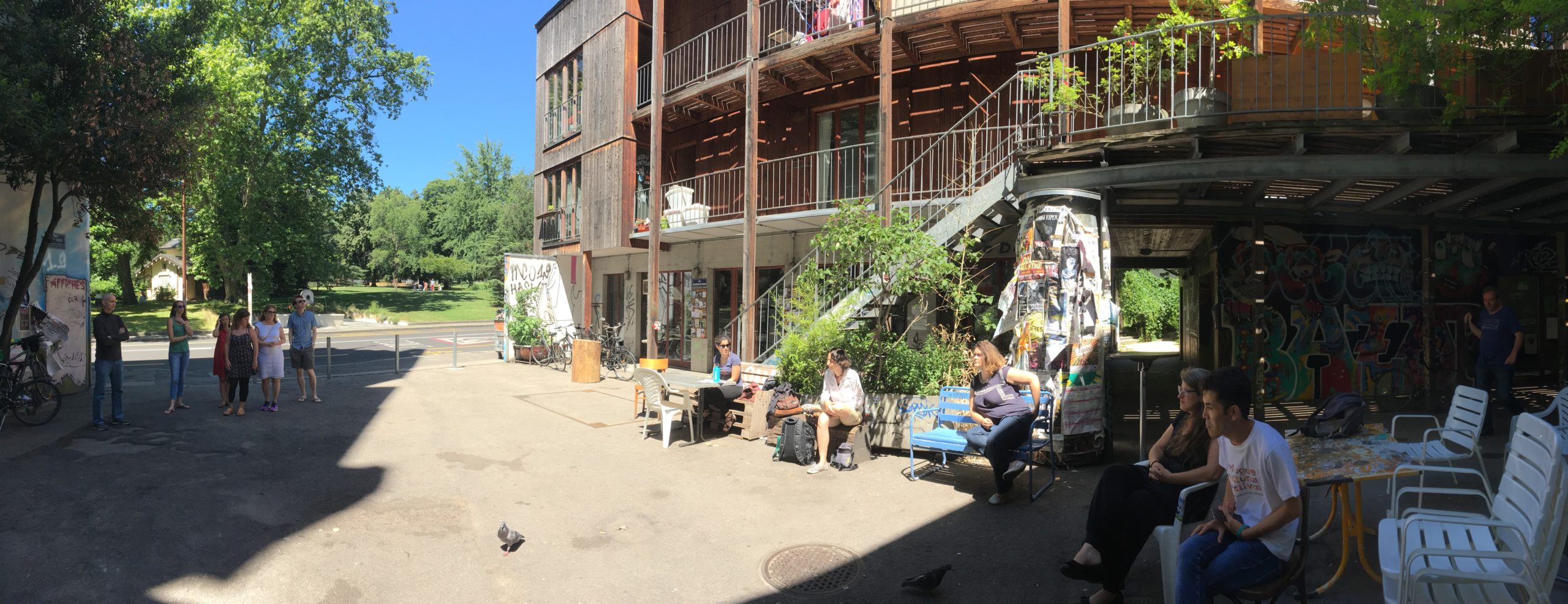
As an introvert I am usually happy to observe rather than participate in such activities. In most circumstances I would be there with a camera filming the event. I chose not to hide behind the camera this time. We were outdoors and we played a few games. Improv theatre isn’t just about acting. It’s about grown ups being playful and creative as a group. This is comfortable. This is fun. It’s fun enough for me to have changed my Sunday plans from hiking to trying this once again. I’m going to be out of my comfort zone but change is good.
Google Arts & Culture

Google Arts & Culture App

Google Arts & Culture is an app that allows people to look at Arts and culture from around the world easily and intuitively. This app allows you to learn more about arts and culture based on your current location as well as by topic, art medium and more. With this app, you can look at 360 images of monuments and locations. You can also zoom into artworks. When we were teenagers we studied the history of art. We looked at artworks in books and in documentaries. We then went to Florence and saw some of these artworks in person. We saw Michelangelo’s Statue of David and more. As children in Europe, we went to Pompei, to the Vatican museums and many other locations. When you walk in the Sistine chapel you see this art in context and you see how large it is. This app, by Google allows you to do the same thing. It allows you to study art from your phone as you commute or as you queue or do other things. In effect it helps to educate and inform us about Art and culture. We are no longer restricted to small pictures in arts books.

The Refugee Cultural Festival Kickoff Party

Last night many of the volunteers participating in the Refugee Cultural Festival could come and meet who they will be working with for the duration of the event. Falafel, samosa, hummus, wine and beer were among the offerings available to those people. Along with this was a drive for them to tell their stories either as migrants, refugees or allies of both. This is within the framework of the I am a Migrant campaign by the International Organisation for Migration. As usual with most Geneva events this was a culturally diverse group of people. Just an ordinary day in Geneva but special for those who have not grown up with such cultural diversity. The Refugee Cultural Festival itself will take place on two key dates. The first of these is the 17th of June. The Swiss National day of the refugee. On this day there will be singing, dancing, international karaoke, discussions, music, yoga, photography and much more. You can find a full list of events on the 17th here. They will be around Les Grottes from 10am to 1900 and from 1800 until late at Perle Du Lac. On the 18th of June there will be interactive activities around Photography and Visual art from 1400-1800 at Bellevue. The 20th of June is World Refugee Day. This is the day where you get to “Celebrate World Refugee Day with a Grand Cuisine and Cultural Party made up of international delicacies from Syria, Afghanistan, Sri Lanka, Eritrea and more. This event will take place at Bois-De-La-Batie, 20, petit-lancy. On the 21st of June there will be a dinner hosted by Asile LGBT from 2000-2400 in Paquis and on the 22nd of June it will be the IFTAR dinner hosted by RMCA, Cusine Lab & Foodhack. Disclaimer: I am a volunteer within the comms team for this event.

Environmentalism and Traffic Lights

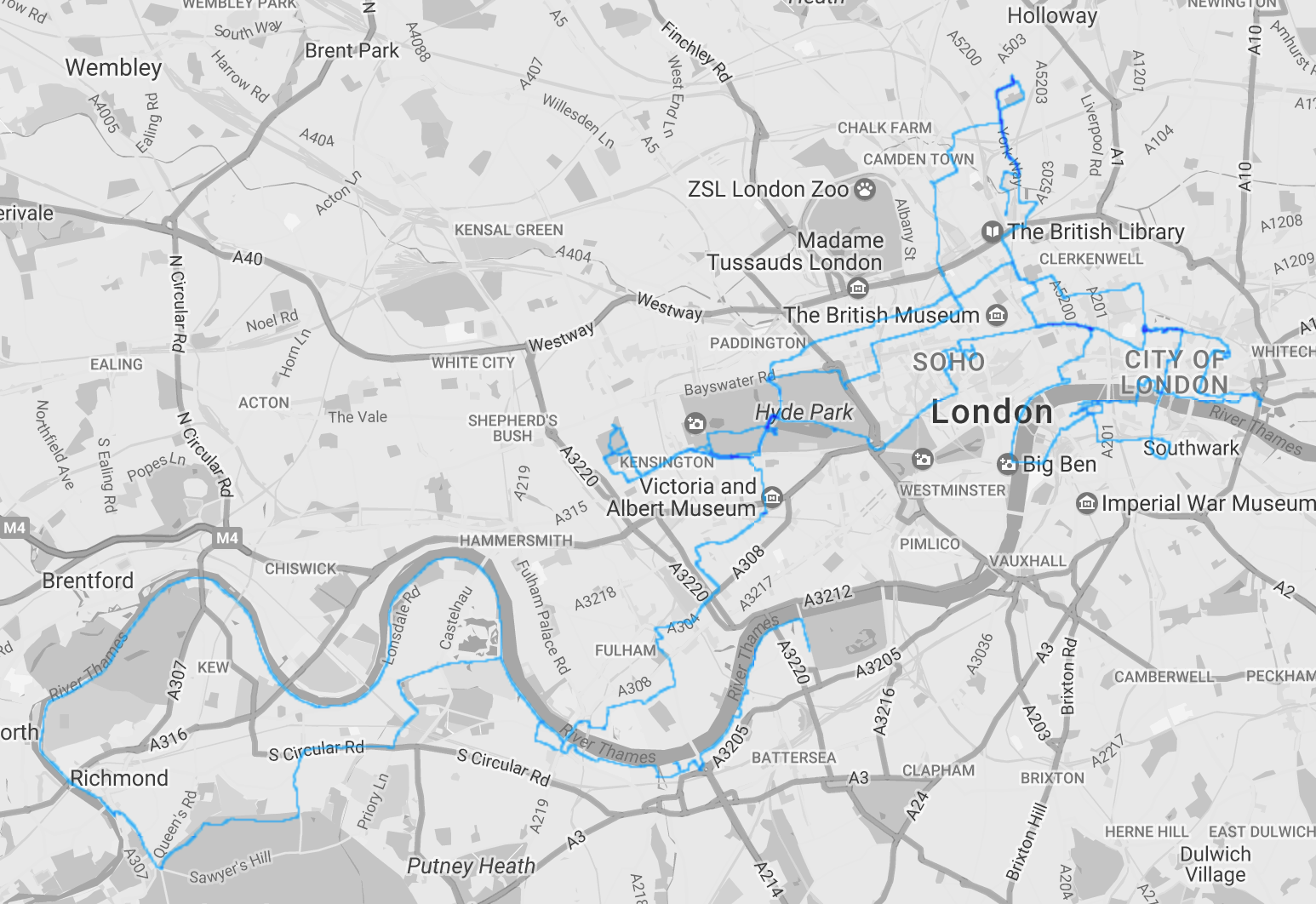
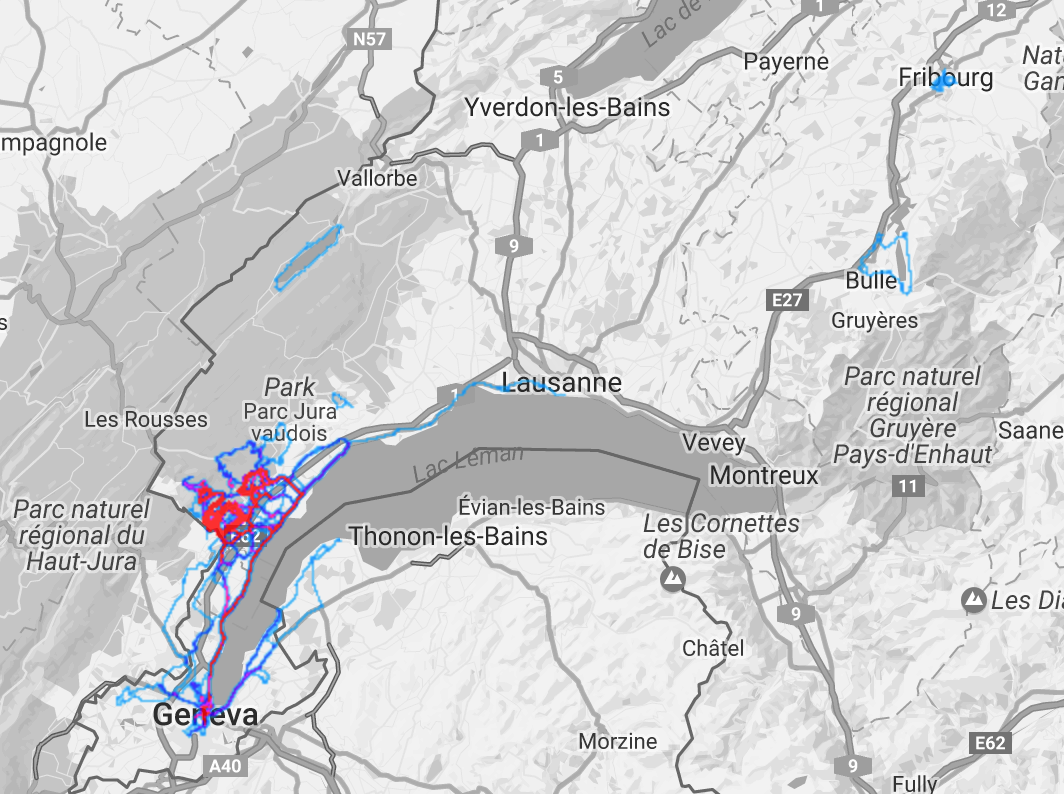
When you’re driving from Nyon to the airport without traffic the journey takes about twenty minutes. If you decide to drive into the city of Geneva that journey time is doubled thanks in main part to traffic lights. It once took me over one hour when scuba diving in Hermance to drive from Place des Nations to the other side of the Mont Blanc Bridge. That’s over one hour for less than two kilometres. That idea cooled down my motivation to dive in Hermance. At the time I was driving a petrol rather than a diesel car. Yesterday I was driving from the foot of the Jura to Cornavin and the drive from the foot of the Jura to Geneva was fast. It’s when you drive from the motorway to the centre that you lose time. 23 minutes to drive 3.8km. I don’t have a start/stop car so when I’m spending 23 minutes at traffic lights the engine is running and polluting the air for nothing. There is no gain from blocking traffic lights. It was even worse when I was on Rue Montbrillant. The GPS indicated 15 minutes to travel about 750 metres. Can you imagine the carbon footprint of traffic lights? That’s 15 minutes of nitrous oxide that had no need to be sent into the air. Imagine the health impact of keeping vehicles trapped at traffic lights. Within 30 seconds I went right and parked at Place des Nations and walked the last 750 metres. I wasn’t going to waste 15 minutes because “environmentalists” decided that the best way to discourage people from driving was for them to sit in traffic and pollute the air. When I was working on Rue Montbrillant I was taking the train to and from Geneva every day and I used an abonnement de route to reduce cost. It works well until you’re reliant on bus schedules. Some routes have one bus an hour. This means that a 30-40 minute drive becomes a one and a half hour public transport route. If you finish your day at 1800 you’d arrive home by around 1930-2000. This means that although you’re taking the environmentally friendly option you’re spending two and a half hours a day to commute. During warmer months and drier days, the scooter was a good alternative. Within minutes you’re on the train to Geneva. That’s the paradox of environmentalism. You want people to be environmentally conscious and you want them to minimise car use but rather than provide them with time efficient solutions to encourage them to take public transport you trap them at traffic lights. Waze, Tomtom and other GPS manufacturers should take the heat maps we generate with our mobile devices every time we drive and design public transport infrastructures to replace the need for cars. This data is already available. Below are two heat maps of cycling around London and Switzerland. If you used the same type of data from cars you could design a system that replaces the need for cars. When you live in a city you see two kilometres as a big distance to drive but when you’re in the countryside 2km is nothing. London on a bike feels tiny after walking and taking public transport. In Geneva it’s not that you have much traffic. It’s that the traffic lights give the illusion of traffic. Most of the side streets are empty of traffic most of the time. [caption id=“attachment_3570” align=“aligncenter” width=“1024”] Distances in London are shrunk by bike. I think it’s the best form of transport, when the weather is favourable.[/caption] This week I wanted to cycle in to Geneva for my lunch time meetings but chose not to because the bike ride is energetic enough without the weight of a 15inch laptop on your back. I did buy a bluetooth keyboard for the mobile phone as a mac book air replacement. That should make cycling more pleasant. I also have spare tires in case I get a puncture. [caption id=“attachment_3571” align=“aligncenter” width=“1024”] Cycling in Switzerland and France[/caption] Geneva’s traffic light policy did work on me. Several years ago I became so tired of waiting at traffic lights when driving into and out of Geneva that I stopped going. Instead of meeting people in Geneva I drove to various lakes to scuba dive and to the mountains to climb, hike, cycle and do other more environmentally friendly activities. This is especially true when we drive other participants. When I climb Fort L’écluse I meet people at CERN and when I meet people to go to Swiss VF I meet them at the Nyon train station, Fourmi metro stations or even the Lavaux motorway stop.

D-Day Film archives on Facebook

Yesterday D-Day Film Archives were shared on Facebook. These film archives were of landing crafts landing troops on the beaches, of battleships firing rocket salvos at the coast, of gliders being pulled by planes, of paratroopers getting and more. Over the years films have been preserved by transferring the footage from one film stock to another and then transferred from film to tapes. The problem with film and tape is that they are stored in a physical location that only archivists have access to. This means that if we’re curious about seeing the footage, like the footage included in this post we would have to go to the film archive and ask for permission to see this footage. Within a few hours, days or weeks we might get an answer. We would have transport costs, access costs and more. The advantage of digital video archives accessible online is that everything is accessible within a few seconds with the right keywords. This means that a child hearing about the Second World War for the first time can do a quick search and see this footage. History, rather than being words on a page, is brought to life. It stops being an abstract subject for the mind. In this footage, we see our grandparents and our nephews and nieces see their great-grandparents. An effort, by the international community, should be made to preserve, digitise and then make available as much of this film material as possible. The technology exists today so that, at the very least, we can have digital backups of all of this material and in the best case scenario for this material to be available for future generations to watch and study. I have already spent 15 months as a video archivist and media asset manager and I would like to continue this line of work. I find it to be a fascinating and interesting way to learn about history. It inspires to find books that contextualise the material that I am seeing on screen. This material makes us more informed citizens of the society in which we live.

K2 With a Drone

K2 with a Drone is a documentary following Petr Jan Juracka, a scientific photographer’s trip to K2 with Klara Kolouchova with two drones. He performed extensive testing before setting off on the trip. He flew the drone in a hyperbaric chamber to see how it would react. He flew it in freezing conditions to check that the batteries would cope and then he flew in other places. He had already flown his drone in a multitude of countries and Pakistan was the latest challenge. We see the journey to base camp. We see images of the snow and ice, of rivers, of challenging roads and more. The documentary mixes fixed camera footage and drone footage in a pleasant to watch manner.

Interval training and climbing are a good combination.

If you were to look at the graph below you would clearly see that it’s a form of interval training but you’re at a loss to know which sport it is from. With running and cycling you would see 2-3 minutes of hard effort and then two to three minutes of less effort and it would repeat form 15-20 minutes. This graph is from an activity done for two hours. [caption id=“attachment_3480” align=“aligncenter” width=“1024”] What is the first sport that comes to mind?[/caption] This graph is from indoor climbing yesterday. You see that I started tracking the heart rate at least ten minutes before my first climb. You see that the heart rate during the first climb climbs consistently until I reach the top. As I get lowered back to the ground my body goes back to being relaxed and you see the low heart rate as I belay someone. The second climb is more challenging so you see the peak earlier in the climb and then it remains stable. The third climb was a little harder and you see that I had to rest at least twice. The fourth climb was managed without resting. With the fifth climb we see that I really needed to rest at the point where the troth is. From what I remember of the last climb it was easy except for parts where you really need finger strength. As I do not I cheated. I don’t climb frequently enough. I noticed that Rocspot Echandens has logged their climbs so that they are compatible with myclimbs, an app that I installed on my phone many months ago but forgot about. At the time it was still in early development so was not of much interest. Next time I go I will use the app.

Brainless television and the Tabloid Media

I saw the headline to this article and feel that we should discuss brainless television and the tabloid media. The article was written by a fifty year old who blames the number of distractions for voter apathy. The answer, I fear, is they’re too busy being mesmerised by an ever-increasing plethora of high-tech distractions directed specifically at them. The changing nature of the youth-obsessed entertainment industry is in danger of inadvertently creating a race apart, an entire generation that instinctively prefers the cyber world to the real world. Rather than blame the youth of today and technology for the situation that Brexit England is currently in I would look at where people got their anti-European rhetoric from. They got it from decades of anti-European articles in the tabloids. They got it from decades of Anti-European Tory rhetoric and they got it from radio and the sides of buses. Even the Guardian and the BBC are guilty of consistent anti-European rhetoric. Just look at the amount of airtime given to MLP rather than Macron. In a recent feature Katya Adler gave minutes to the far right and seconds to pro-europeans. The same is happening during the French election. In times gone by, the 18-24s tended to feel alienated by mainstream entertainment that wasn’t for them. The counter culture flourished because there wasn’t enough for young people to do. The atmosphere was ripe for passionate anti-establishment politics. Now, with global corporations focussing all their efforts on capturing the lucrative youth demographic, there’s way too much for young people to do. The poor things barely have time to think. I was both a teenager and a twenty something year old in the Internet age and I can say with certainty that the counter culture has not suffered as a consequence of new technology. I would point to youtubers, snapchatters and others as examples of this. I would point at Anonymous and other groups as well. I would point to the various critical mass events and more. Footage I took of a Silent Disco flash mob was used in an ARTE documentary about the walk man. Counter culture is alive and well. It’s just a matter of using the right medium. It’s easy to blame the youth for apathy and it’s easy to say “A more likely scenario is that the vast majority of these allegedly pro-EU teens would not have made it to the polling booth” but maybe if the older generations had not been indoctrinated by years of Anti-European rhetoric they would not have voted the way they voted. The reason that young voters are pro-European is simple. They haven’t spent decades reading anti-European propaganda so they understand the benefits of Europe. Online culture contributes to this.

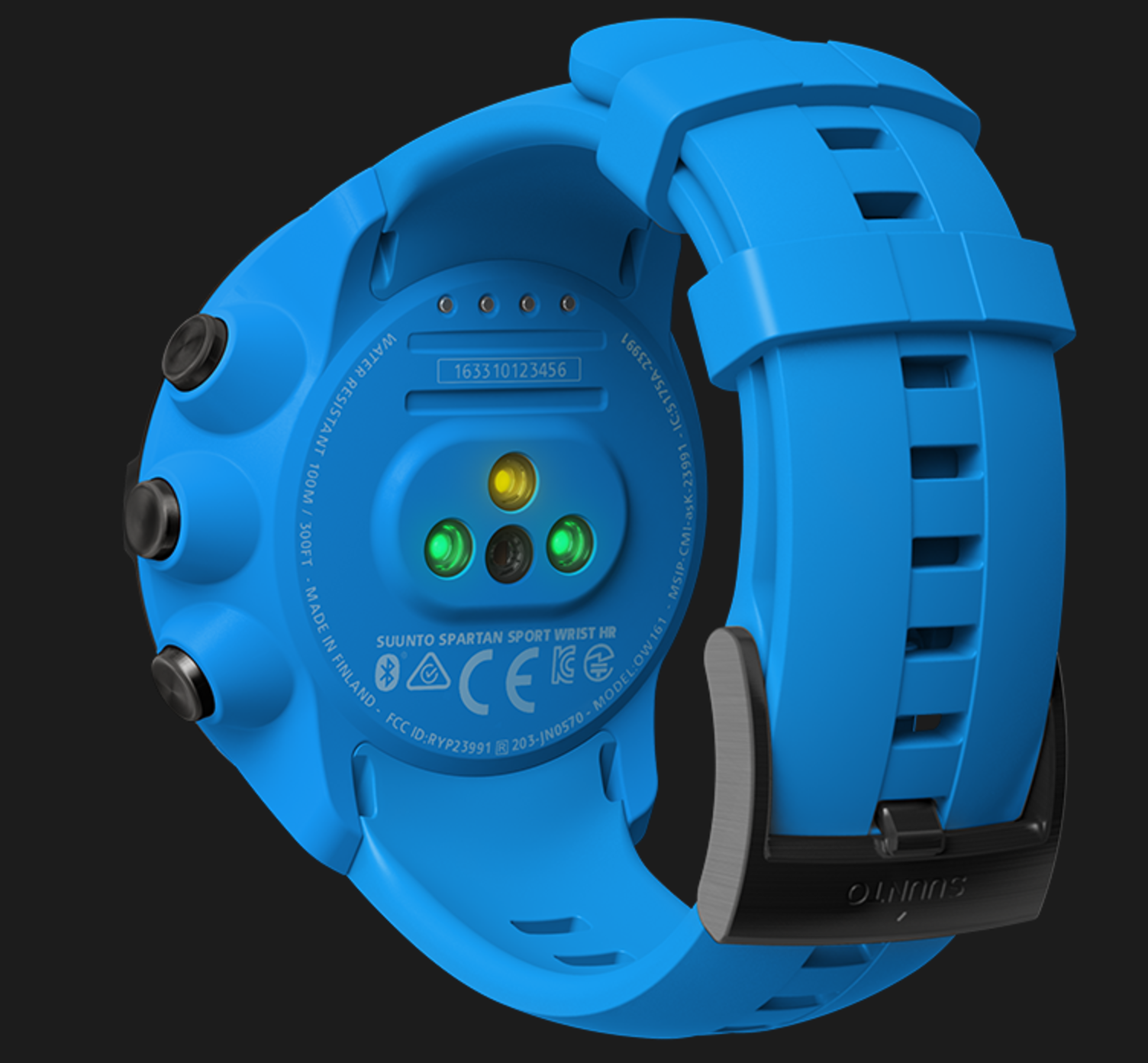
The SUUNTO SPARTAN SPORT WRIST HR BLUE

I have logged 799 activities with my Suunto devices. This includes hikes, via ferrata, climbing, swimming and scuba diving. I like Suunto devices because their battery life is good enough to last through entire days of hiking and the battery lasts for weeks between charges when used as a simple watch. Spartan HR I like to track my heart rate but I often feel self conscious about putting the heart rate monitor belt on. With the latest Spartan watch I no longer need to worry about the belt. At the same time as I start the activity I will be able to keep track of the heart rate. This is especially good for group activities when you do not want to keep people waiting and in winter when you’re wearing layers of clothing. I like that devices like the Fitbit Charge 2 can be worn at almost all times and track heart rate effortlessly when at the climbing gym and during other activities. I look forward to the same simplicity with a Suunto device. I especially like that Suunto devices survive swims and showers. I like that the Suunto Ambit 3 tracks how many steps I take during the day. It’s a shame that the step count is not logged and visible on Movescount. I like to see how energetic or lazy I have been on a daily, weekly, monthly and yearly basis. It’s not unusual for me to go from a 21,000 step day to a 6000 step day. It depends on weather, work and other factors. If you go for a bike ride your step count will not be high. I will wait to see whether they apply this technology to the Suunto Ambit watch collection. If they come out with the Suunto Ambit 4 Wrist HR then I will be tempted to upgrade. With 799 tracked activities I believe Suunto devices have demonstrated that they are reliable.

The Gopro Hero 5 karma advert is aspirational

I love sports and I love the outdoors. I really like snowboarding when the conditions are good and when there are few people. I love to climb, to hike and to do via ferrata. Last year during a film festival I was invited to try Paragliding for free and the flight lasted 45 minutes. In light of this you can see why the Gopro Hero 5+ karma above is so fun for me to watch. It’s not that I want a gopro camera. I’ve had at least two of their devices and except for filming two or three dives and two or three via ferrata the cameras have stayed in drawers or boxes. GoPro show adventures and experiencers that I aspire to. For this reason we want to watch these edits. We enjoy these edits. Modern film making does away with cranes, jibs and tripods replacing them with drones and devices like the Karma Grip. If you look at the adverts you see that video production has shifted from being a profession to a pass time. At the time of writing the Grip costs about 350 CHF and the drone has not been priced. GoPro is competing directly with DJI and their product line. With systems like GoPro and DJI are providing the term prosumer evolves. Thrill seekers and adventurers get to play with technology that they can afford to buy and use during their trips or weekend adventures. With this technology fixed cameras are a thing of the past. The camera moves with the action. In practice the camera operator doesn’t need to be an athlete to get in position to get the shot. Assistants are no longer required to carry heavy gear. You carry everything in a bag on your back and it’s ready to use within a short amount of time.